Introduction and background
The concept of entertainment is as old as human history. When man drew pictures on cave walls, when he sat around a fire and told stories, when he invented the first musical instruments — he was actually in search of a few moments of relief, joy, and expression from the burdens of life.This same quest has become a global force in the form of the “entertainment industry” today.
Entertainment is not just a pastime, but a cultural, social, psychological, and economic phenomenon.
It keeps alive the artist, dreamer, and feeler within man.
The styles of entertainment have been different in every civilization, every nation, and every era, but the goal has always been the same — “the pursuit of happiness.”
Meaning of entertainment
The word Entertainment comes from the Latin word Intertenere, which means “to hold or hold someone’s attention.”
In Urdu, it is translated as fun, entertainment, or distraction.
Thus, we can say that entertainment is the act or activity that takes a person out of the daily pressures and brings them into the realm of joy, happiness, and interest.
Early period entertainment
In the early days of human civilization, forms of entertainment were simple but profound.
Tribal people would gather around fires at night, dance, play drums, and tell stories.
These were not just games, but a form of collective identity.
These early forms laid the foundation for later theater, music, sports, and films.
- In ancient Egypt, entertainment was tied to religious rituals. Priests there told stories of the gods through dance and drama.
In Greece, theater was considered a high art form. Philosophers such as Socrates and Plato also discussed the fine arts in depth.
In China, performing arts, such as puppetry and traditional dance, have been part of the culture for thousands of years. - Entertainment was also embraced in a balanced way in Islamic history. Poetry, naat, and qasida were a means of entertainment and intellectual expression in Arab society.
During the Andalusian era, music and poetry gave new heights to Islamic arts.
The development of entertainment in the modern era
When the Industrial Revolution came in the late 19th century, people’s daily lives changed.
Amid the noise of factories and machines, man again felt the need to “entertain himself.”
This was the era when cinemas, theaters, sports organizations, and public entertainment venues came into being.
In the twentieth century, entertainment took on a new dimension—that of the media.
Radio, TV, film, and later the Internet made entertainment both public and global.
Now anyone can sit in any corner of the world and watch a movie, listen to a song, or watch a live sports match.
Entertainment Industry — Growth, Impact, and Global Trends
The formation of the entertainment industry
In the modern world, entertainment has become an industry.
Its foundation was laid at the beginning of the twentieth century when the film industry (Hollywood) strengthened its roots on a global scale.
Later, entertainment industries also emerged in Britain, India, Turkey, Korea, China, and US.
Today, entertainment is not just “art” but a multi-billion dollar global economy.
Films, TV, sports, streaming platforms, music, theater, e-gaming, and social media — all are part of this industry.
Role in the global economy
According to data as of 2024, the global entertainment and media industry is worth more than US$2.5 trillion.
- These figures show that entertainment has become an economic force, not just an art form.
- Hollywood produces around 500 films every year.
- The Indian film industry (Bollywood) is the largest film-making industry in the world.
- Platforms like Netflix, Disney Plus, YouTube, Spotify, and TikTok have brought entertainment to a global audience.
All of these platforms not only provide content but have also become a source of jobs, businesses, and cultural exchange.
Media and Entertainment
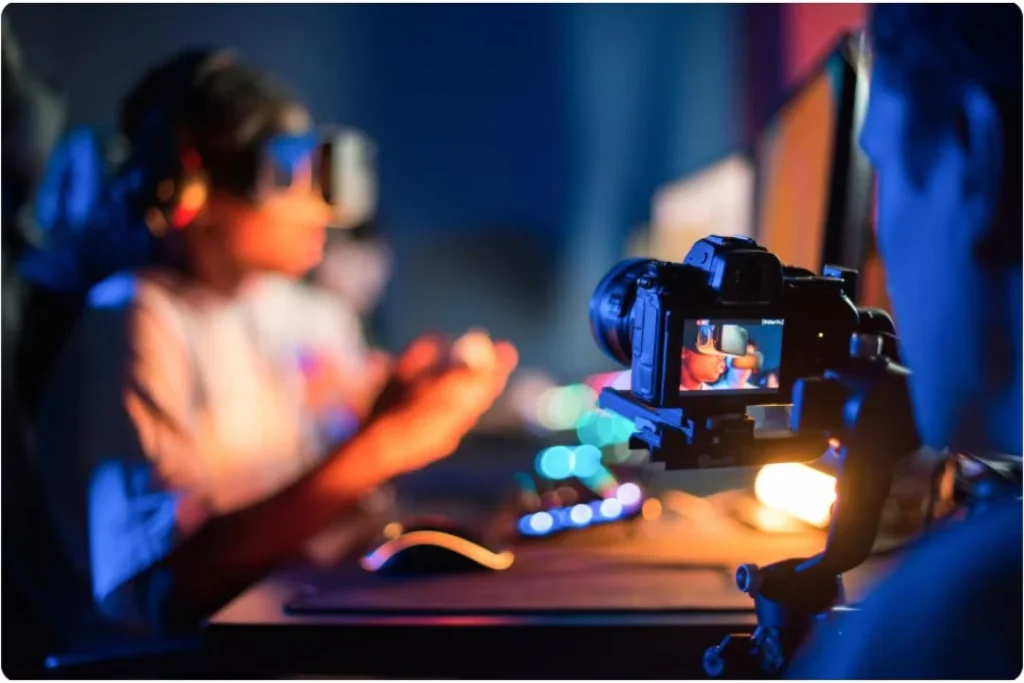
- Media is the largest platform for entertainment.
- Film, TV, radio, social media, podcasts — all of them are the intersections of information and entertainment.
- The primary role of media has moved beyond “providing entertainment” to shaping ideas and opinions.
- TV dramas or films no longer just tell stories, but they also highlight social issues.
- For example, Us dramas have dealt with topics such as women’s rights, social inequality, and class differences.
- Similarly, Hollywood films present messages of climate change, war, and peace through entertainment.
Digital Entertainment—A New Era
- Digital entertainment has changed the world in the last decade.
- Smartphones and the internet have made everyone their own “media producer.”
- Now anyone can create a YouTube channel, create entertaining content on Instagram, or record a podcast and share it with the world.
This change is called Entertainment Democracy — where entertainment is no longer limited to the big studios or channels but has become accessible to the general public.
The rise of streaming services
- Netflix, Amazon Prime, Disney Plus, Hulu, and other platforms have ushered in a new era of “entertainment freedom.”
- Viewers are no longer bound by time, place, or channel.
- This is why “On-Demand Entertainment” has become the fastest growing sector.
- Binge-Watching is now a common term around the world — where people watch an entire series in one sitting. This trend is proof that entertainment has now become a digital lifestyle.
Entertainment and social media
- Social media has made entertainment interactive.
- Now viewers are no longer just spectators, they are also participants.
- Memes, short videos, viral challenges, and live streams — all are manifestations of modern entertainment.
- Instagram Reels, YouTube Shorts, and TikTok have given new expression to the younger generation.
- These platforms promote the concept of “micro-entertainment” —
- that is, short but impactful entertainment.
Global cultural exchange
- Entertainment has turned the world into a “global village.”
- Now a Us youth watches Korean dramas,
- an American youth listens to songs from Indian films,
- and people in Japan enjoy Turkish dramas.
- All this is a great example of Cultural Exchange.
- Different nations are beginning to understand each other and come closer through entertainment.
Social Effects of Leisure
- While entertainment provides pleasure and relief, it also becomes a catalyst for social change.
- Films and dramas influence public opinion.
- Many times a film or a song becomes a movement for social awareness.
For example:
- In South Africa, music raised the voice against racism.
- In India, films sparked debates about women’s rights.
- In Us, dramas publicized family values and social issues.
Entertainment and economy
- The entertainment industry employs millions of people:
- Actors, directors, cameramen, singers, scriptwriters, anchors, designers, editors, technicians —
- They are all part of this vast system.
Films boost tourism, concerts and sports boost economic activity, and streaming platforms generate digital revenue. This is why many countries have made entertainment a key pillar of their national economy.
Frequently Asked Questions (FAQs) — Entertainment / About Entertainment
What is entertainment and what is its main purpose?
- Entertainment is actually a natural human need that refreshes us mentally, emotionally, and spiritually.
“Entertainment” means to amuse ourselves, to find joy, and to find temporary relief from the stresses of life.
These are all activities that create joy, enjoyment, and interest in a person — for example, listening to music, watching a movie, playing a game, or reading a book. - The purpose of entertainment is not just to pass the time, but it provides a person with happiness, peace, mental balance, and an opportunity for creative expression.
It is a force that brings a person out of depression and gives positive energy.
What are the most important types of entertainment?
Answer:
There are many types of entertainment, but they can basically be divided into a few major categories:
- Literary entertainment: poetry, fiction, novels, plays, and comedies.
- Visual entertainment: films, theater, TV shows, and art galleries.
- Music and dance: classical, pop, qawwali, or modern dance forms.
- Sports and physical entertainment: football, cricket, hockey, or the Olympics.
- Digital entertainment: Video games, social media, YouTube, and Netflix.
- Cultural entertainment: Festivals, traditional dances, folk music, and cultural festivals.
All of these provide a person with a sense of joy, knowledge, and connection from different angles.
How does entertainment affect the human mind and psychology?
Entertainment has a very positive effect on the human brain.
When a person sees or hears something interesting, hormones like dopamine and serotonin are produced in the brain, which increase feelings of happiness, peace, and satisfaction.
Furthermore:
- Entertainment reduces stress and anxiety.
- Creates positive thinking.
- Awakens creativity.
- Increases the courage to express oneself within a person.
- That is why psychologists also recognize “Entertainment Therapy” as a form of treatment and rehabilitation.
In what direction is entertainment going in the modern era?
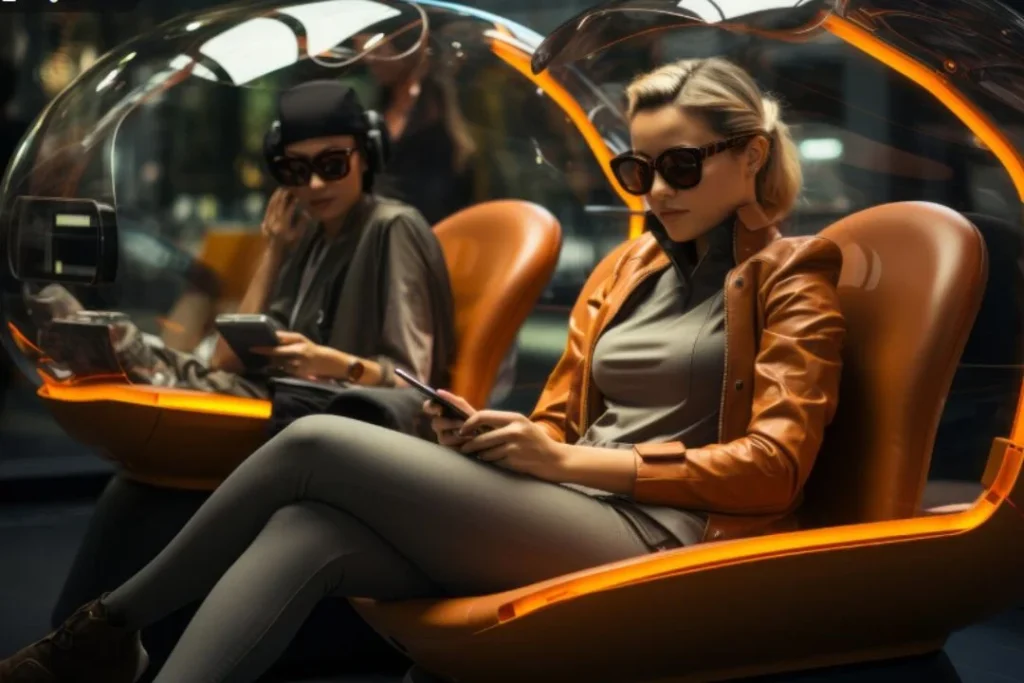
In the present era, entertainment is rapidly moving towards digitalization.
That is, entertainment has now gone “online”.
- Netflix, YouTube, Spotify, and TikTok have changed the way entertainment is enjoyed.
- Now people are not bound by time or place — they can watch whatever they want, whenever they want.
- AI, Virtual Reality (VR), and Augmented Reality (AR) have given a new world to “digital entertainment”.
- In the coming time, much of entertainment will revolve around digital experiences, interactive games, and smart devices.
(Conclusion)
- Entertainment is an essential and beautiful part of life.
- It gives people joy, peace, and renewed energy.
- Whether it is music, film, sports, or literature — entertainment connects people, teaches them, and inspires them to live.
- If it is approached in a balanced and positive way, it can make a person’s life meaningful and enjoyable.