
(Introduction)
The world is changing rapidly. Technological advancements, social changes, increasing competition, and new challenges of daily life have made it essential for humans to learn many skills. Book knowledge alone is no longer a guarantee of success; real success lies in the skills that enable a person to think, understand,Enables decision-making, relationships, managing emotions, and solving practical life problems. These skills are collectively called life skills.
The purpose of education is not just to read, write and count, but to enable children, youth and adults to emerge as confident, competent and responsible human beings at different stages of life. This is why the use of “Worksheets for Life Skills” is rapidly increasing in schools, training centers, homes and institutions around the world.
Worksheets are simply written, practical activities that help individuals think, problem-solve, and better organize their lives. These worksheets are designed to suit different ages, situations, needs, and abilities.
This article will take you step by step to the point where you will fully understand the worksheets for life skills and be able to create them yourself if needed.
What are life skills? (Life Skills in English)
The term “Life Skills” refers to all the basic and essential skills that help a person live their daily lives better. It is not just mental abilities but a complete system consisting of social, emotional, practical and behavioral skills.
Types of important life skills
Social Skills
- These are the skills that help you communicate effectively with others.
- Effective communication
- Friendliness
- Teamwork
- Resolving conflicts
- Collaboration
Emotional Skills
- The ability to understand and manage one’s own and others’ emotions.
- Self-awareness
- Self-control
- Empathy
- Emotional balance
Cognitive Skills
- Abilities to think, understand, and make decisions.
- Problem Solving
- Critical Thinking
- Decision Making
- Creativity
Daily Living Skills
- The ability to perform daily life tasks.
- Time management
- Cleaning
- Money management
- Shopping and selling
- Cooking
- Personal safety
Communication Skills
- The ability to speak, listen, and convey messages effectively.
- Active Listening
- Body Language
- Presentation Skills
- Self Expression
Self-Management Skills
- The skill of leading your life according to your goals.
- Planning
- Setting goals
- Self-discipline
- Punctuality
- All these skills make a person successful and strong.
What are Worksheets?
Worksheets are basically pages, activities or exercises that contain various questions, tables, pictures, problems, examples or tasks that the learner solves to acquire new skills.
Worksheets Features:
- Simple and easy to understand
- Topic-based
- Practical activities
- Age-appropriate
- Easy to use at home or school
- Repeated practice
Types of Worksheets:
- Writing Worksheets
- Coloring Worksheets
- Finding Similarities Worksheets
- Fill-in-the-blank Worksheets
- Problem-solving Worksheets
- Worksheets with Social Stories
- Logical Thinking Puzzles
- Self-Assessment Worksheets
- Life Skills Worksheets are a collection of worksheets that are used to strengthen various life skills.
Why are worksheets important for life skills?
Life skills can’t be learned just by reading; they are learned through practice and experience. Worksheets provide that opportunity.
- Makes learning practical
- Just listening to a lecture makes you understand, but practical activity is necessary to apply it in life — worksheets provide this practical experience.
- Children learn better
- Children learn faster through pictures, colors, and activities. Life Skills Worksheets increase children’s intelligence, observation, and emotional understanding.
- Gives adults a chance to self-analyze
- Self-assessment worksheets help adults understand where they stand and what skills they need to work on more.
- Extremely beneficial for special children
- Life Skills Worksheets bring amazing improvements in children with autism, ADHD, slow learners and other special needs.
Directly related to daily life
- These worksheets provide practical training on topics such as:
- Using money
- Cleaning
- Understanding time
- Recognizing emotions
- Safe and unsafe situations
.
- Creates interest in learning
- The worksheets feel like fun activities, which does not make the learner bored.
Who is Life Skills Worksheets necessary for?

- For children
- Because they strengthen the foundation of personality.
- For teenagers
- Because they need better decision-making, self-confidence and social relationships.
- For adults
- Because the worksheets help in self-improvement.
- For special children
- They bring great improvement in their practical and social skills.
- For parents and teachers
- Because they facilitate the training of children.
Life Skills Worksheets for Kids (Description + Examples + Activities)
Life skills should start from childhood, because at this age, children’s minds are like soft wax. The impressions that are made at this age remain throughout life. That is why “Worksheets for Life Skills” is the easiest, most effective and most interesting way to develop basic skills in children.
The worksheets include pictures, coloring activities, similarities, simple decisions, story-based questions, and everyday situations, which the child learns practical skills by understanding.
Age-appropriate worksheets — classification
Ages 3 to 6
Children at this age are taught basic social, emotional, and self-care skills.
Essential Skills:
- Identification (objects, emotions, colors)
- Cleaning
- Putting things together
- Sharing
- Basic conversation
- Identifying safe and unsafe objects
Examples of worksheets:
‘Recognize Emotions’ worksheet
The child is shown pictures of different faces:
He is asked:
- Which face is happy?
- Which is angry?
- Which is sad?
- What do you do when you are angry?
Is it safe or dangerous?
- Required: Pictures
Example: - Hot iron
- Electric board
- Pet cat
- Hot tea
- Broken bottle
- Child has to say: “Safe” or “Not Safe”.
‘My Daily Tasks’ Coloring Sheet
- A sheet will have:
- Brushing teeth
- Washing hands
- Eating food
- Getting dressed
- Children reinforce these tasks in their minds by coloring them.
Ages 7 to 10
Children become more mature at this stage, so worksheets include responsibilities, social relationships, and problem-solving skills.
Essential Skills:
- Effective communication
- Teamwork
- Homework organization
- Time recognition
- Expressing emotions
- Getting and giving help from others
Examples of worksheets:
‘My Weekly Planning Worksheet’
- The child is given a simple weekly schedule.
- He has to enter:
- Study
- Sports
- Homework
- Housework
- Relaxation
- This teaches Time Management.
Problem Solving Worksheets
Situation:
“Two friends want a toy. What will you do?”
The child is given three options:
A) I will fight
B) I will keep the toy
C) We will take turns
Correct answer: C
This worksheet teaches the child social skills.
‘Complete the Conversation’ Worksheet
In one picture, the child says:
“My pencil broke…”
The other child responds:
“__?” (Child to write on their own)
This is a great example of Communication Skills Worksheets.
Age 11 to 15 years
This age is the most important age for personality development. Children are emotionally sensitive, seeking autonomy, and vulnerable to social pressure. Life skills worksheets are essential for this age.
Basic skills:
- Decision-making
- Anger management
- Self-confidence
- Recognition of right and wrong
- Choosing the right friends
- Online safety
- Social media rules
Examples of worksheets:
‘Decision Making Worksheet’
A problem is given:
“You have two exams tomorrow and your friend has invited you to play. What will you do?”
The child has to write:
- Decision
- Reason
- Expected Result
- This worksheet teaches Critical Thinking.
Recognize Your Anger Worksheet
- List of provocative situations:
- Someone takes something from you
- Teacher scolds
- Friend makes fun of you
- Child writes:
- My reaction
- Consequence of this reaction
- What could be a better reaction?
‘What are my goals?’ Goal Planner Worksheet
- This requires the child to write down:
- Short Term Goals
- Long Term Goals
- ways to achieve them
Worksheets for Life Skills — FAQs (Frequently Asked Questions)
What are life skills worksheets?
Life skills worksheets are pages of practical activities that include various questions, pictures, exercises, decisions, and tasks. They are intended to teach a child or adult daily life skills, such as decision-making, emotion regulation, social relationships, punctuality, and practical work.
Who are these worksheets beneficial for?
- These worksheets are useful for all ages:
- Children (3–10 years)
- Teenagers (11–18 years)
- Adults
- Children with special needs (Autism, ADHD)
- Teachers and parents
Do these worksheets really help children learn?
Yes, research shows that children learn better through practice and activity. Worksheets for Life Skills lead to significant improvements in children’s:
- Confidence
- Communication skills
- Problem solving skills
- Emotional balance
Why are worksheets important for teaching life skills?
Because:
- Practical skills are learned by doing, not just by reading.
- Worksheets practice thinking and decision-making.
- They make learning interesting.
- Children learn to make decisions for themselves.
- Social skills are strengthened.
Which life skills worksheets are most important?
The worksheets that will be important are:
- Social Skills Worksheets
- Emotional Skills Worksheets
- Communication Skills Worksheets
- Problem Solving Worksheets
- Decision-Making Worksheets
- Daily Living Skills Worksheets
- Self-Management Worksheets
Are these worksheets also useful for special children?
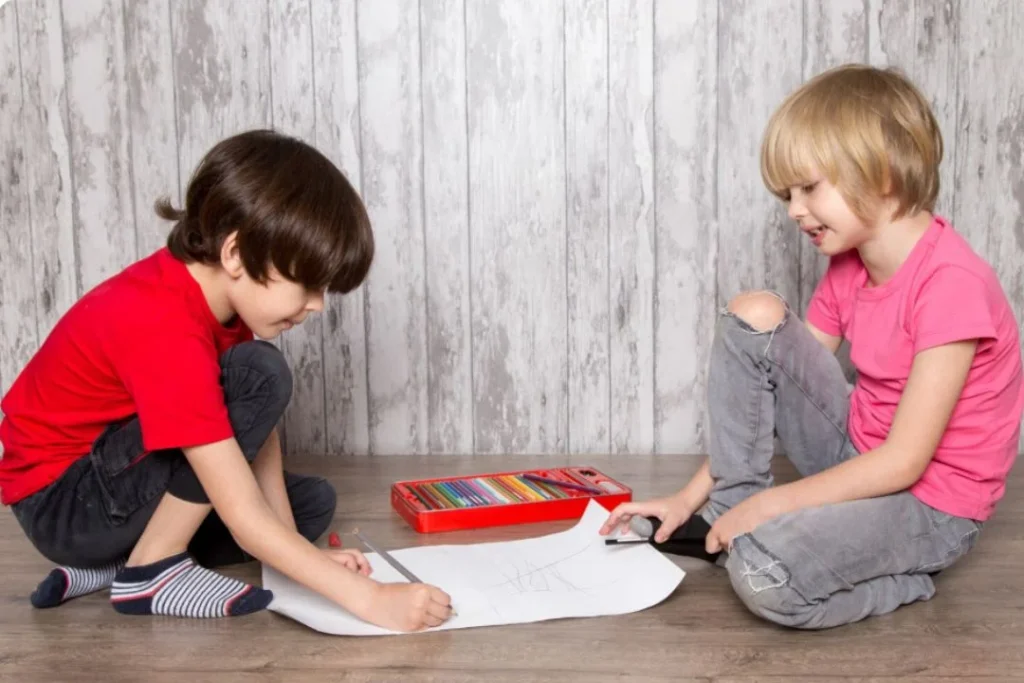
Absolutely!
These worksheets are very important for children with autism, ADHD, slow learners, Down syndrome and other special needs, as they learn best through simple pictures, clear tasks and repetition.
(Conclusion)
Life Skills Worksheets are a simple, fun, and effective way to teach children, teens, and adults life skills. These worksheets not only improve thinking, understanding, and decision-making skills, but also build social, emotional, and practical strengths. Whether children or adults, everyone can improve their personality, attitudes, and habits with the help of these exercises.
In short, Worksheets for Life Skills are the best tool for making life more organized, balanced, and successful.